Governance
Governance
is central to Rwanda’s Vision 2050 and NST2 ambitions for capable institutions,
accountable leadership, meaningful citizen participation and responsive public
services. CCOAIB’s distinctive contribution is its ability to mobilize a
national network of civil society organizations to connect community priorities
with policy dialogue, institutional accountability and local development
processes. By leveraging its members’ grassroots presence and collective experience,
CCOAIB strengthens organizational capacities, facilitates structured engagement
between citizens and public institutions, and promotes evidence-based advocacy
on issues affecting communities.
Through
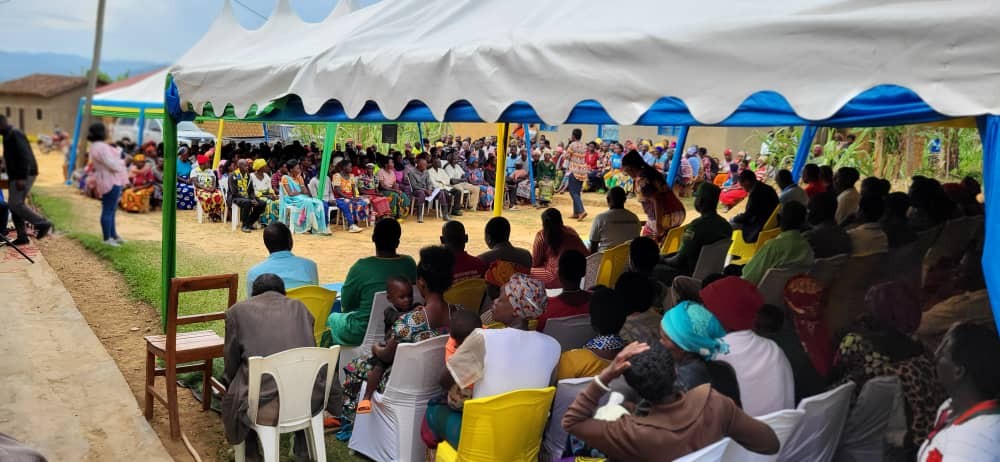
its members, CCOAIB translates citizen participation into practical
accountability mechanisms, including Community Score Cards, Citizen Monitoring
and community-based monitoring. These approaches enable citizens to assess
public service delivery, identify gaps, formulate recommendations and engage duty-bearers
in follow-up actions. CCOAIB further strengthens the capacity of civil society
organizations to generate and use community-level evidence, promote human
rights and the rule of law, and influence development planning, budgeting,
implementation and monitoring.
CCOAIB’s
added value lies not only in mobilizing citizens, but in strengthening the
capacity of organized civil society to aggregate community concerns, generate
credible evidence, facilitate constructive policy engagement and follow up on
institutional commitments. This integrated approach helps bridge the gap
between policy intentions and citizens’ lived experiences, contributing to more
inclusive decision-making, improved public service responsiveness and stronger
social accountability in line with Rwanda’s Vision 2050 and NST2 priorities.
Ultimately,
CCOAIB’s contribution is to make governance more participatory, evidence-driven
and accountable by ensuring that citizens’ voices inform public decisions and
that institutional commitments translate into tangible improvements in service
delivery and community well-being. By connecting grassroots realities,
organized civil society and public institutions, CCOAIB strengthens the
mechanisms through which citizens influence development priorities, monitor
results and hold duty-bearers accountable. This contribution advances Rwanda’s
Vision 2050 and NST2 ambitions for effective institutions, inclusive
development and improved quality of life.